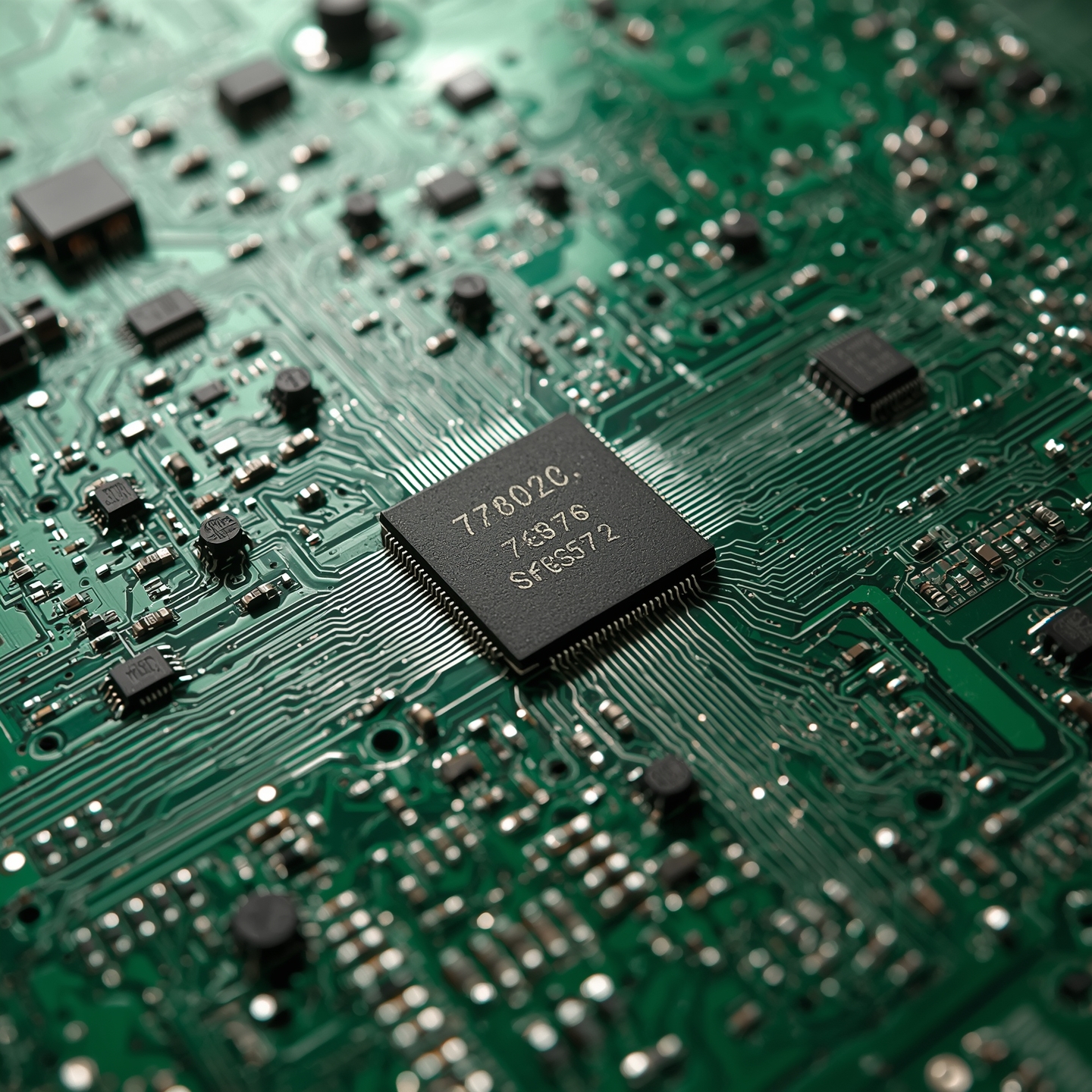

SaaS – Software As A Service
SaaS stands for Software as a Service and refers to software that is typically delivered via the Internet and offered on a subscription basis.
Companies use the application without a traditional one-time purchase, choosing from different modules, feature sets, or user tiers.
SaaS at a Glance
- Software is usually provided online and used in a browser
- Often requires no installation on the customer’s server
- Functionality and price depend on the type of modules selected, the number of users, and the service tier
- Operation, maintenance, and updates are typically handled by the provider
The SaaS industry comprises companies that offer digital applications as standardized or specialized online services. These include solutions for:
- Customer management
- Accounting and financial control
- Project management
- Human resources
- Communication and collaboration
- Data analysis
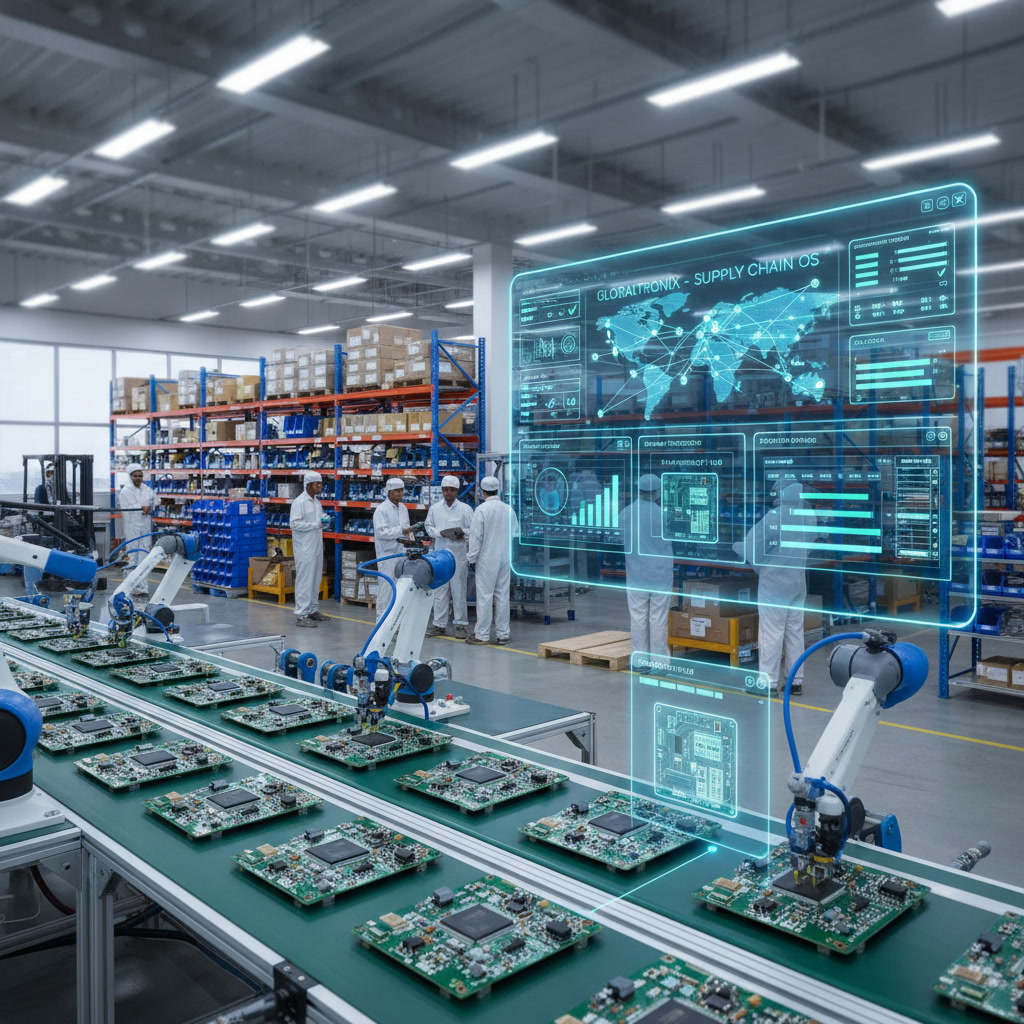
- Production and supply chain management
The industry is part of the broader cloud market. Its core principle is to provide software not as a one-time product, but as an ongoing service. This shifts the focus from installation and maintenance to availability, integration, data security, user-friendliness, and ongoing development.
SaaS in the Electronics Industry
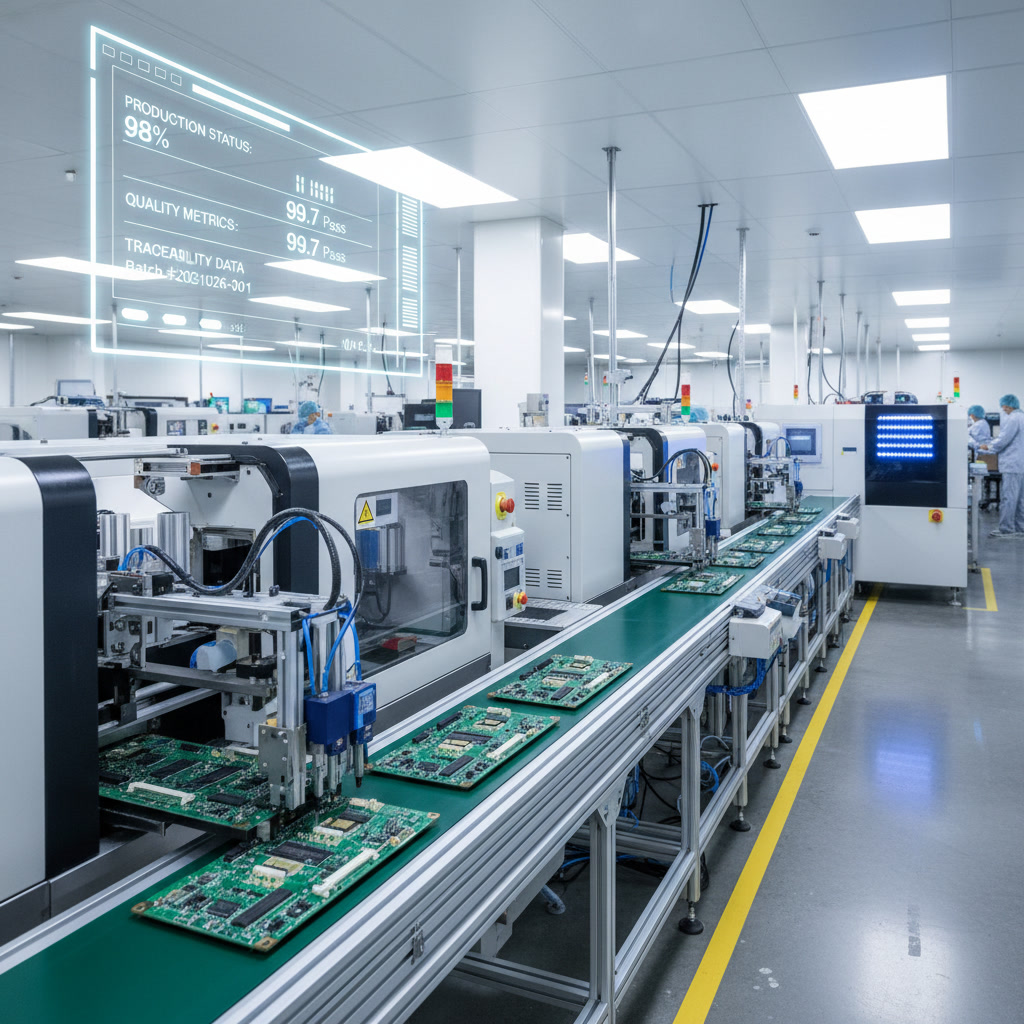
In the electronics industry, SaaS can be used across a wide range of business sectors. These include manufacturers of electronic components and devices, as well as development service providers, suppliers, distributors, and service companies.
Applications in the electronics industry
Product Development
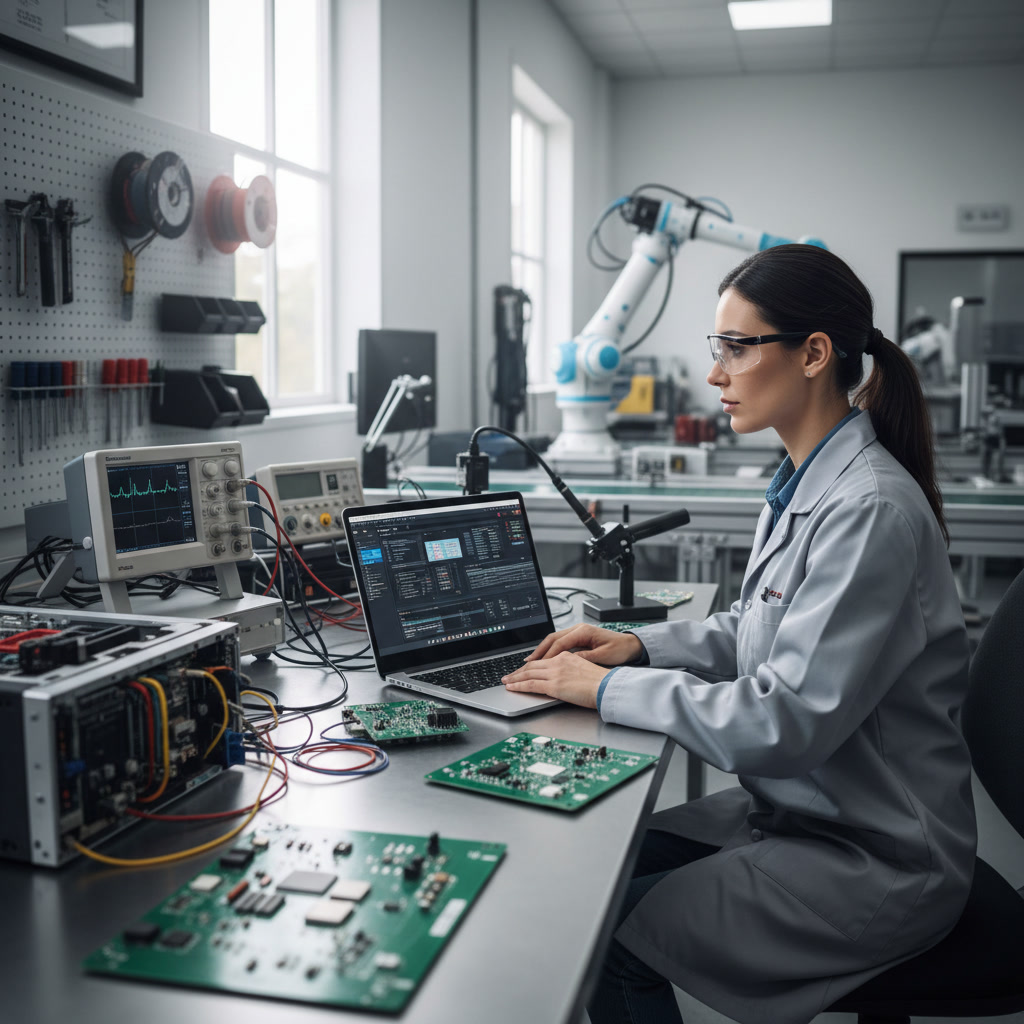
SaaS solutions support the planning, execution, documentation, and coordination of development projects. Tasks made more efficient and transparent by SaaS solutions include
- Requirements gathering
- Creation and review of bill of materials (BOMs),
- Documentation of change statuses
- Component compliance checks
- Approvals
- Team coordination
Supply Chain and Procurement Management
Electronics companies often operate with complex international supply chains. SaaS can help manage availability, orders, delivery dates, risks, and bottlenecks more transparently.
Production Planning and Quality Management
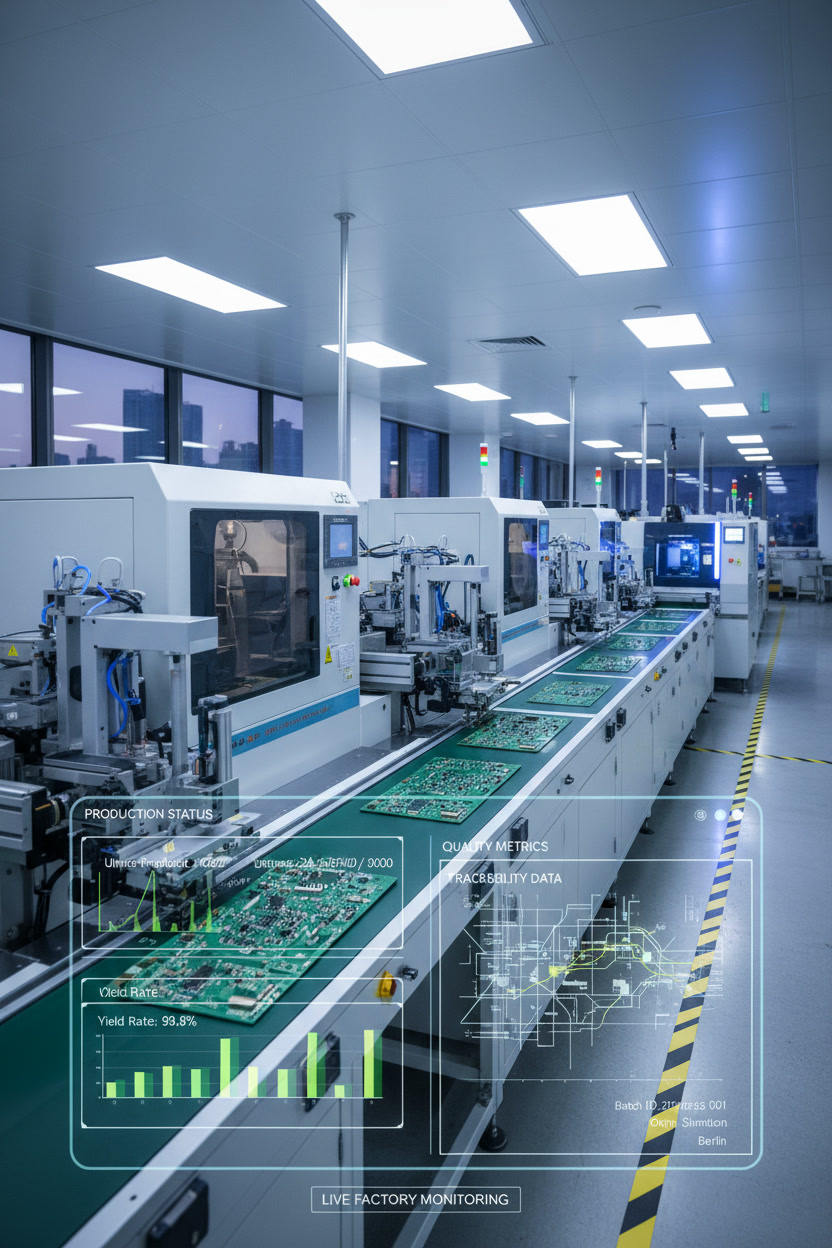
SaaS applications are used to monitor manufacturing processes, collect quality data, document inspection processes, and identify deviations more quickly.
Sales and Customer Management
SaaS-based CRM and service systems are used for quotations, order tracking, after-sales processes, and technical customer support.
Service and Maintenance of Connected Devices
In the electronics industry, particularly for smart or connected products, SaaS can also be used for remote monitoring, diagnostics, and management of installed devices.


The benefits of SaaS in the electronics industry lie primarily in greater flexibility, improved data availability, and more efficient processes.
Faster Software Deployment
Companies can typically start using applications more quickly than with on-premises systems, since there is no need to build out a complex in-house infrastructure.
Reduced Maintenance Effort
Updates, bug fixes, and technical maintenance are handled centrally by the provider. This reduces the burden on internal IT resources.
Better collaboration
Development, procurement, production, and sales teams can access shared, up-to-date data. This is particularly important for complex electronics projects involving many stakeholders.
Scalability
SaaS solutions can be more easily adapted to growing teams, new locations, or changes in production volumes.
Greater transparency
Data from various sources and disciplines can be consolidated, analyzed, and compared in real time. This leads to more informed decisions and faster response times.
Support for international structures
Many electronics companies operate across multiple locations and collaborate with suppliers from around the world. SaaS facilitates access to unified systems across countries and departments.