


Answers to 10 questions that I’m frequently asked about electronics turnaround.
How on earth did you manage to turn around an EMS company in times like these?
You are very committed to promoting visibility in the electronics sector – how has that helped you with the consolidation?
What advice would you give to a private equity investor who has just acquired an EMS company?
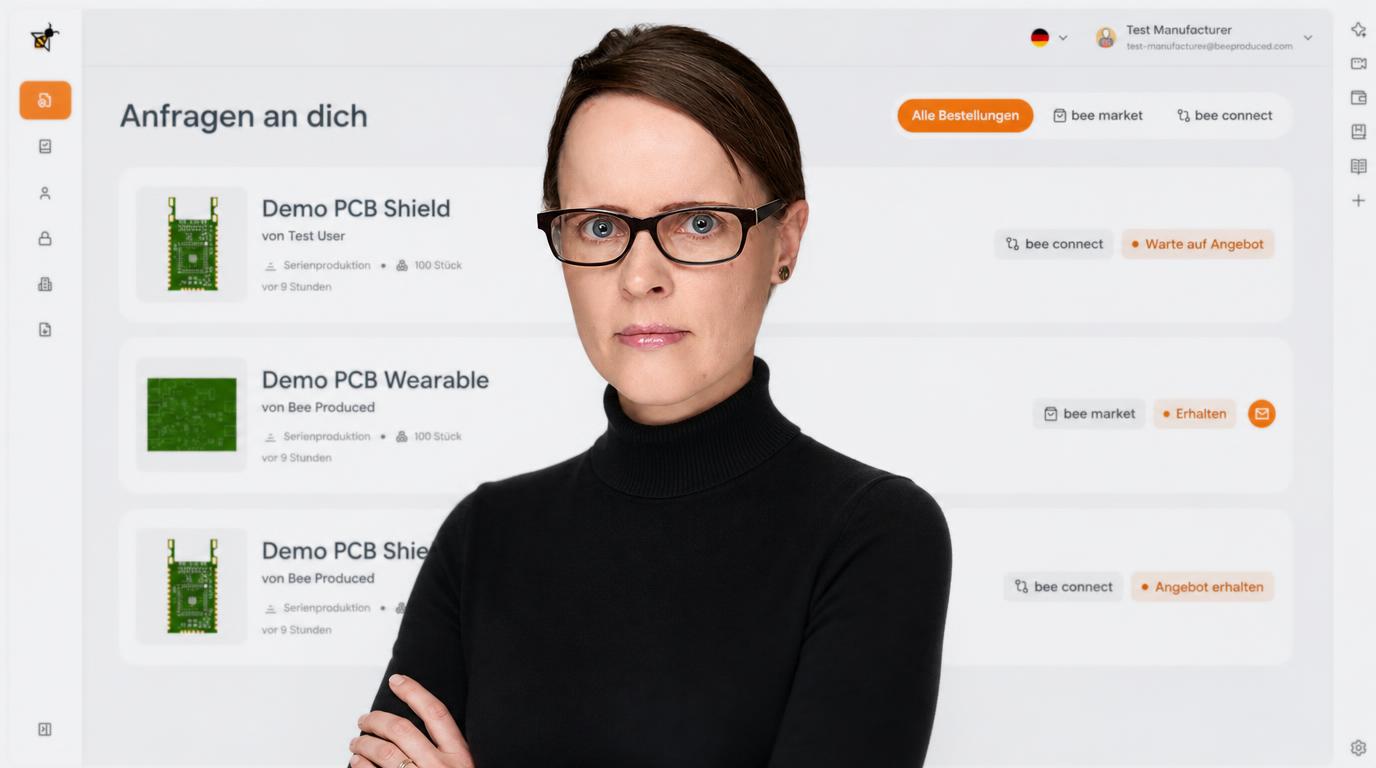
Why do you consider a customer portal to be a key factor in the success of the EMS?
Why has European cooperation played such a significant role in the consolidation process?
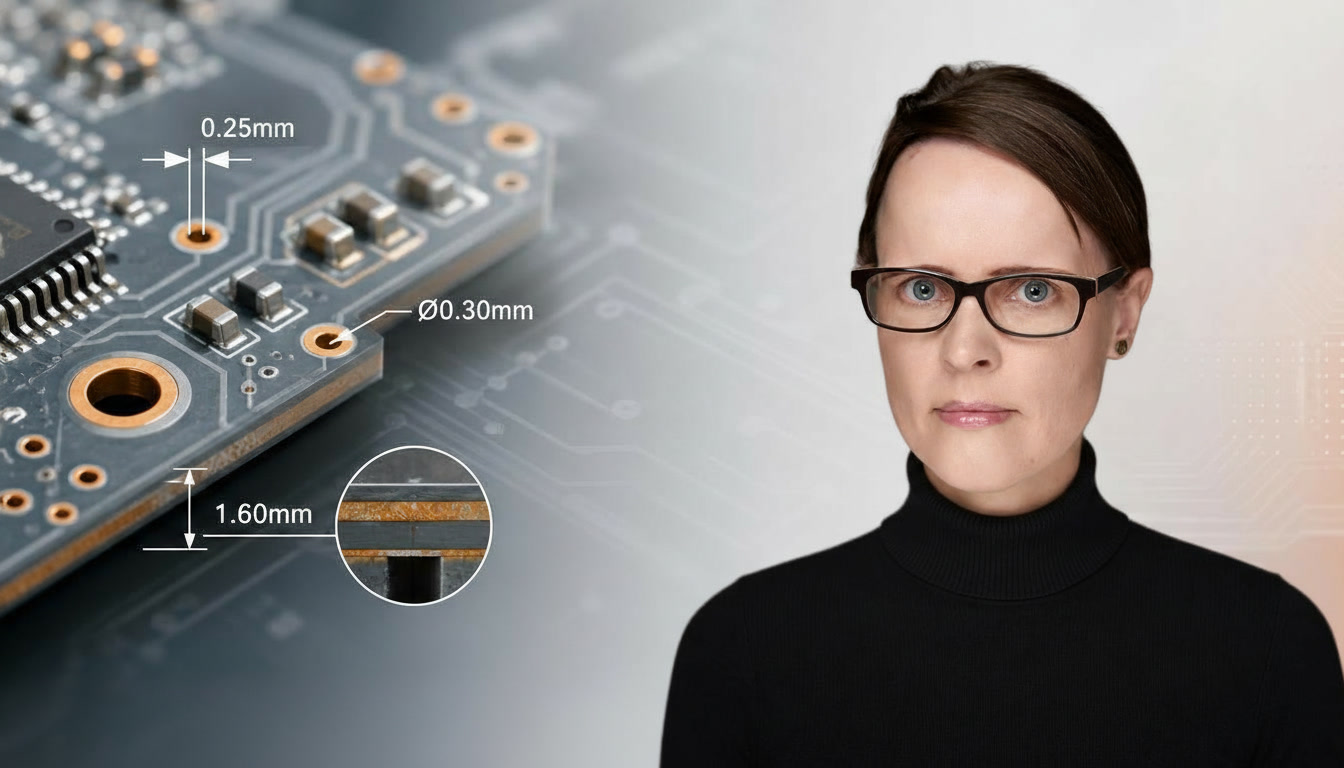
Why do you consider automated DFMA to be a strategic advantage for the EMS sector?

More answers to your most urgent questions, soon.
1. How on earth did you manage to turn around an EMS company in times like these?
This question was recently put to me once again, with a touch of disbelief in the speaker’s voice.
After all, in the person’s circle, most companies are complaining about falling order volumes, a stagnant economy and rising energy costs.
There’s no sign of momentum or optimism.
So it seems surprising that a small, traditional EMS company has managed the turnaround and significantly increased its turnover for two years running.
Even though there’s no one-size-fits-all solution for EMS companies – here are the key factors that led to success:
- Focus on our own core competencies and service portfolio
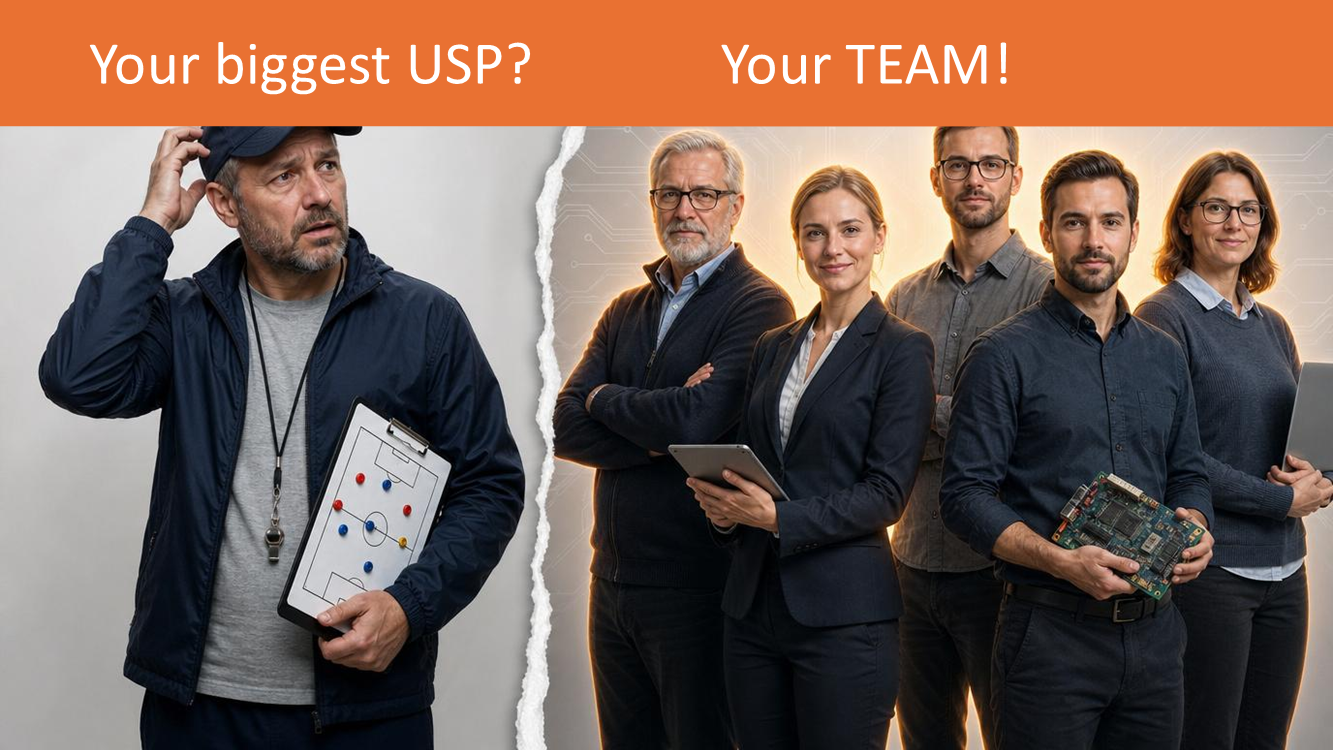
- Differentiating our own USPs from the competition
- A modern EMS strategy
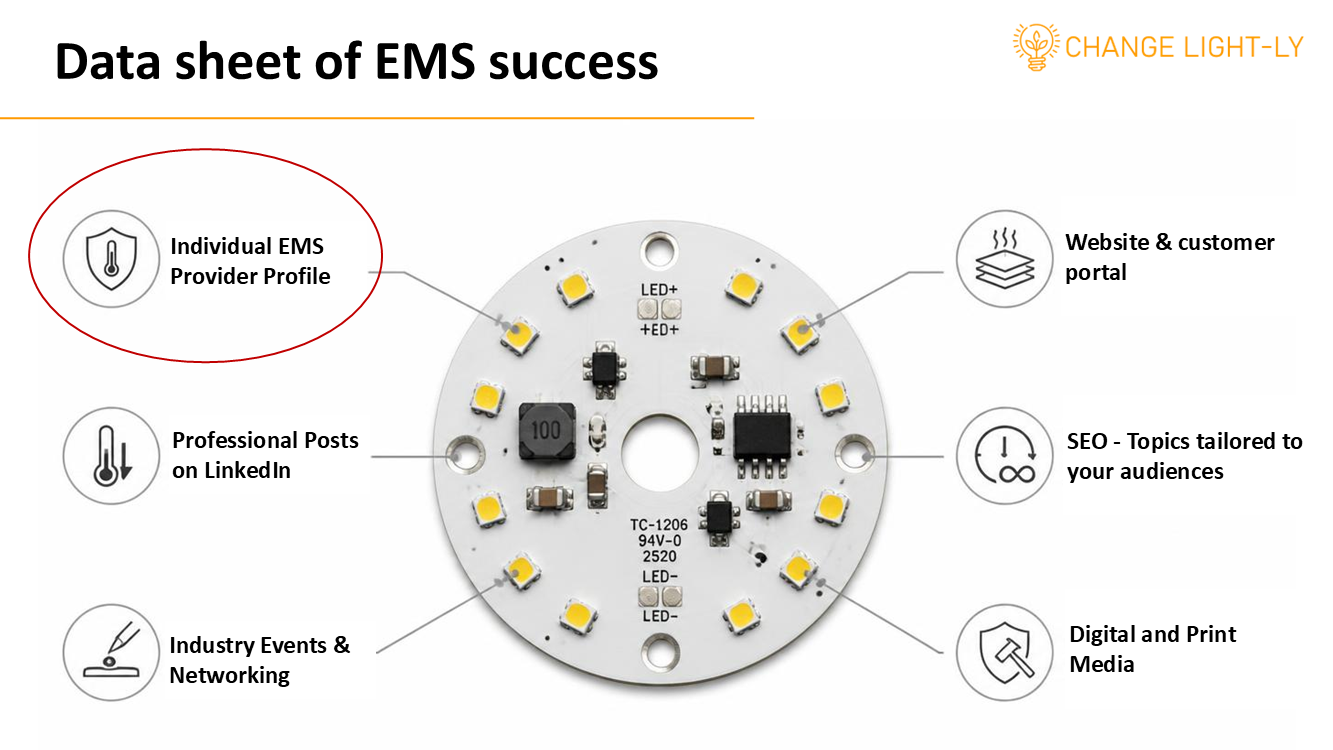
- Clear communication of expertise and USPs across all channels
- European partners – especially hidden champions
- Automation of quotation processes
- Events, trade fairs and active engagement with the industry
But even with this roadmap, an EMS turnaround won’t be an overnight success.
It took six months of meticulous preparation, and the first signs of success emerged a further six months after implementation began.
Change is possible – because every crisis is an opportunity.
But it requires just as much patience as willingness to take a risk and the determination to break new ground….
As well as an intuitive understanding of the dynamics of the electronics industry
2. You are very committed to promoting visibility in the electronics sector – how has that helped your company with its consolidation?
- Expertise and identifying your own USPs are important.
- At the same time, they are only the beginning.
After all, even the most unique expertise is worthless if it remains unseen.
Our clients need to be able to recognise the added value of our services for themselves – whilst also distinguishing which EMS service provider is the right one for them.
That is why making our expertise visible was the logical next step – also to show our existing clients how we can support them beyond their usual orders.
Visibility has many facets. It is:
- Analogue and digital.
- Human and automated.
- Website, LinkedIn and SEO.
But above all, it is about personal interaction – because if behind a compelling website lies a service provider lacking passion, the customer would rather do business with a partner they trust.
At the same time, European electronics manufacturers as a whole need to raise their profile in order to dispel the misconception that electronics are no longer manufactured in Europe at all – and to prevent the loss of first-time customers.
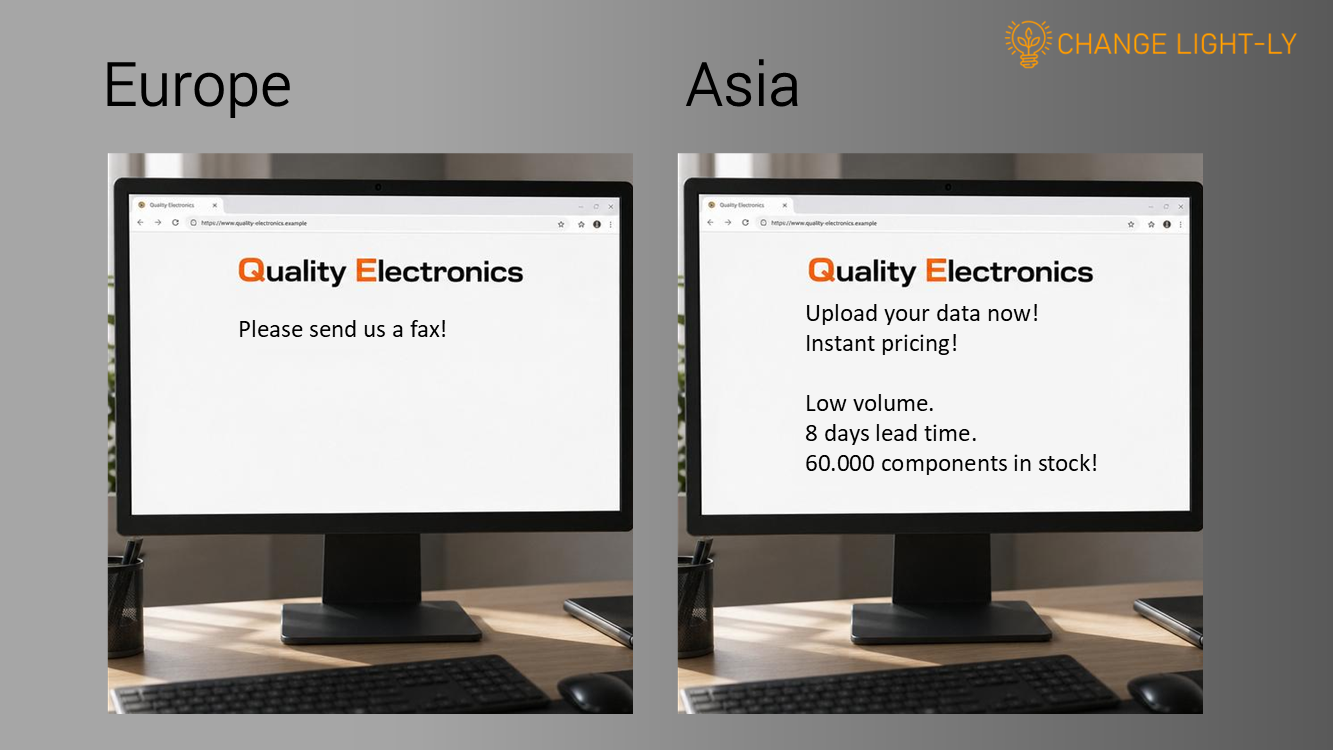
If we collaborate to raise our profile, more electronics production will remain in Europe and we will secure the future of our business hub.
3. What advice would you give to a private equity investor who has just acquired an EMS company?
There are three key aspects:
- Take a close look at the team and its skills – particularly the hidden ones
- Strategy, networking and visibility go hand in hand
- Electronics is a business built on trust: strengthen personal customer relationships
Why these three?
Our EMS service providers are ‘hidden champions’ with a wealth of expertise that they rarely talk about.
The experts within the workforce, in particular, often take their knowledge for granted to such an extent that they do not discuss it, meaning it remains invisible to the outside world.
If the corporate strategy is optimally aligned with utilising these hidden capabilities for the customers of tomorrow, you will find the right customers and partners more quickly and be able to make your presence felt and have a real impact where it counts.
Even in the age of digitalisation and AI, electronics manufacturing requires a high degree of trust. Customers don’t change their EMS supplier overnight.
Use AI and data automation in a targeted way to focus more on personalised advice, the early prevention of errors and future projects.
Your customers will thank you for it, because digitalisation and person-to-person service are not a contradiction, but part of the corporate culture.
4. Why do you consider a customer portal to be a key factor in the success of the EMS?
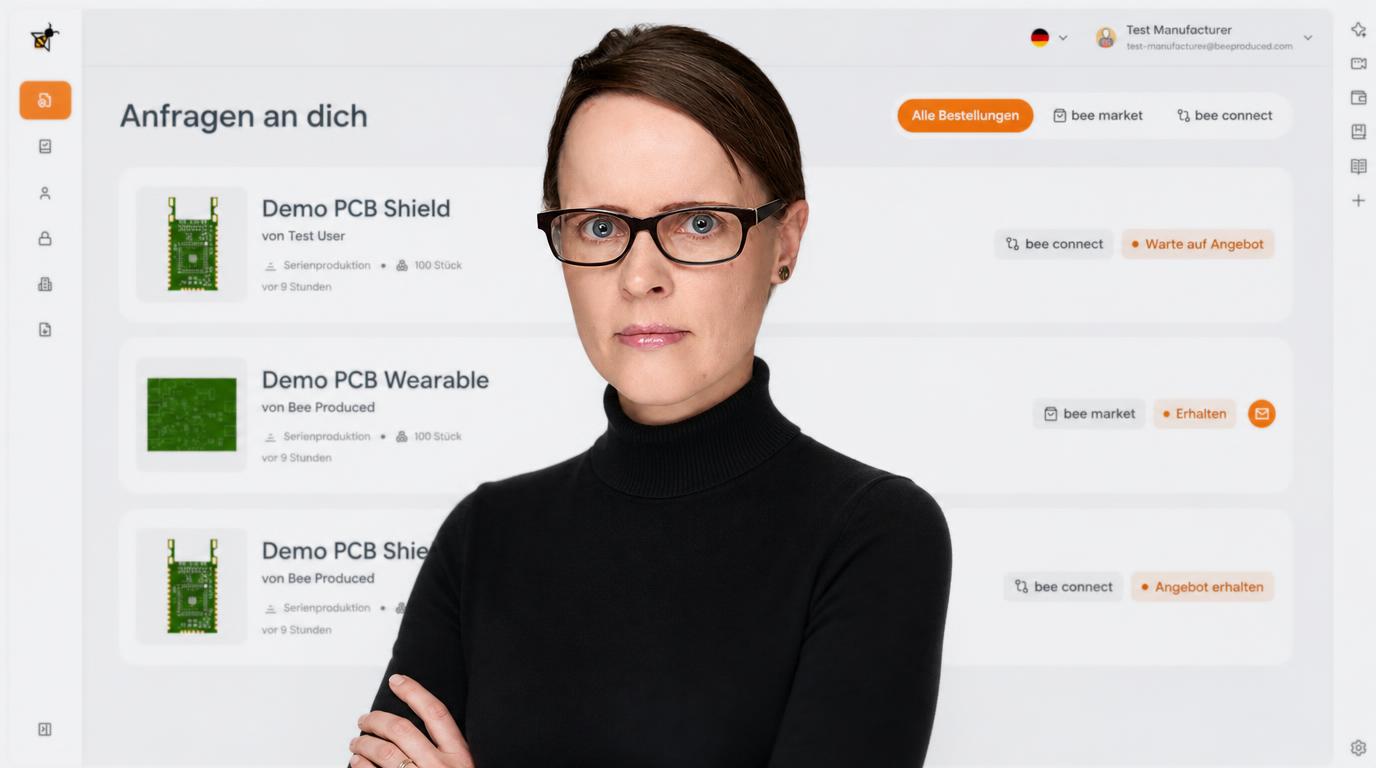
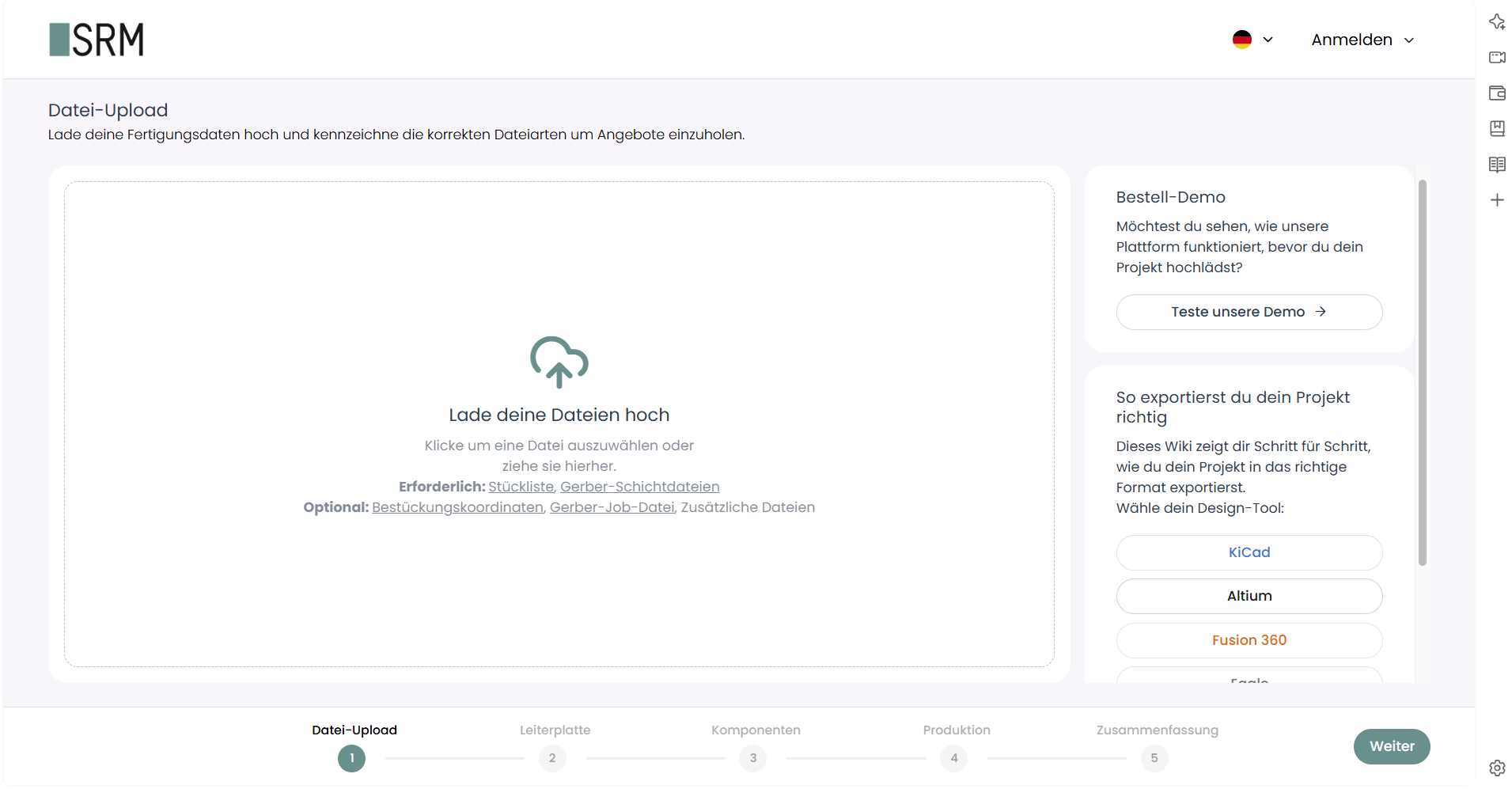
Electronics customers increasingly expect to be able to upload files and make enquiries via the websites of their (potential) suppliers.
They want an immediate indicative price, a reliable lead time and an initial assessment of their BOM and PCB data in terms of manufacturability, compliance and completeness.
Whilst customer portals have long been standard practice in Asia, here in Europe we still rely on email correspondence – with the result that we are already missing out on enquiries from tech start-ups because they cannot find a straightforward way to make enquiries in Europe.
- 24/7 enquiry facility for your customers
- Greater visibility and reach online
- Automatic data analysis and error detection
- Instant quotation generation based on your costing parameters
- Automatic DFMA of PCB data
- Structured and documented communication with customers
Therefore, alongside a strategy that aligns with your core competencies, an up-to-date and search-engine-optimised website, and a European network, the customer portal is another key factor for the future success of EMS providers.
5. Why has European cooperation in particular played such a significant role in consolidation?
The European electronics sector needs partners and solutions that understand its ecosystem and can tailor their business model accordingly.
European partners are always better placed to understand and address Europe’s specific challenges than global approaches that aim to be equally useful to all continents.
Added to this are the growing uncertainties surrounding global supply chains and the increasingly pressing issue of the security and integrity of our data and intellectual property.
Particularly in the field of software solutions for the electronics sector, solutions developed and hosted in Europe are therefore advantageous for safeguarding shared, local interests and strengthening our own capacity for innovation.
Well-known and exemplary European software solutions specifically for the electronics sector include bee produced and Kewano, which enable data to be analysed quickly and securely, giving experts more time for personalised customer advice and solutions.

Whilst Europe has already made significant progress in the field of software solutions, there is still a lack of solutions in the areas of hardware, components and raw materials.
We must not only rebuild our local production of electronic components and PCBs, but above all secure our supply of raw materials.
Due to the global distribution of valuable raw materials, we cannot always rely on direct extraction – particularly in the areas of the circular economy and the recovery of valuable materials, there is still much to be done to reduce our dependence on global influences.

6. Why do you consider automated DFMA to be a strategic advantage for the EMS sector?
Optimal time-to-market combined with reliable quality are more important than ever to electronics customers today.
- The earlier a problem can be identified in the time-to-market process, the lower the additional costs and the less time is lost.
- Manual layout checking is a time-consuming process in which important details can easily be overlooked.
- Rapid alignment of customer requirements with their PCB manufacturer’s design guidelines
- Early consultation with customers on manufacturing tolerances and risks
- Early detection of layout errors to ensure on-time market launch
That is why EMS providers should leave data analysis to the algorithms – so that their experts have more time to discuss solutions with customers.
The EMS business is a business built on trust. The best way to strengthen customers’ trust in your EMS provider is through early error detection.